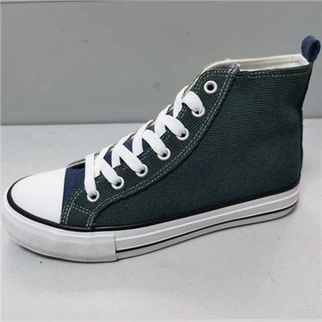
В 1750 году в Лине, штат Массачусетс, была построена обувная фабрика, которая в дальнейшем развила местную технологию изготовления обуви. Там рабочие больше не изготавливают обувь самостоятельно, а за каждым звеном производства обуви стоит обученный человек. Производственная линия начинает формироваться. Первоначально обувь по-прежнему изготавливалась на заказ, но, чтобы разгрузить рабочих в межсезонье, владелец обувного магазина начал шить обувь без оговорок. Эта обувь, называемая обувью для продажи, выставлена на витринах местных магазинов. В первые дни братья Харви использовали тележки, чтобы загружать обувь для продажи и продавать ее в близлежащих местах.
In 1793, they opened their first retail shoe store in Boston, selling finished shoes every Wednesday and Saturday. Since the middle of the eighteenth century, inventors have been working on the improvement of sewing machines. It was not until 1790 that the first sewing machine dedicated to leather processing was transformed by an Englishman named Thomas Saint. It's pretty much just an awl that goes straight up to punch holes in the leather. The British Sir Mark Brownler, who was the chief engineer of the New York Harbor, invented a press that used metal needles to sew the upper to the sole. In order to do his duty in Britain's war against Napoleon, with the help of disabled soldiers, Brownle produced 400 pairs of shoes a day. After the war, the British shoe industry returned to manual operations.